

Dietitian for PCOS/PCOD Diet in Delhi
A Smarter Approach to PCOS/PCOD Diet That Actually Works.
Nt. Hemlata Alawadhi is a professional PCOS/PCOD Diet Dietitian in Delhi having many years of experience. We are known as Best PCOS/PCOD Diet Consultant in Delhi. So, You can visit Top-Rated PCOS/PCOD Diet Clinic in Delhi. Book Appointment Online for personalized PCOS/PCOD diet plans in Delhi, track your nutrition, and transform your lifestyle with expert-backed health strategies.
2022
Started In
1000+
Clients Transformed
7000+
Kg. Weight Loss

Nt. Hemlata Alawadhi is a highly regarded dietitian specializing in dietary management for individuals with PCOS/PCOD in Delhi. Her expertise in this area has established her as a leading professional, providing tailored nutritional guidance to help manage the symptoms and health implications associated with these conditions.
Understanding PCOS and PCOD: Causes, Symptoms, and Impact on Health
Exploring PCOS (Polycystic Ovary Syndrome) and PCOD (Polycystic Ovarian Disease)Let's dive into the world of PCOS and PCOD – two hormonal hiccups that can wreak havoc on your health. Nt. Hemlata Alawadhi helps unravel the mysteries behind these conditions, making them as clear as day.
Common Symptoms and Diagnostic Criteria
From pesky irregular periods to unwanted hair growth, PCOS and PCOD come with a slew of symptoms that can be downright annoying. Nt. Hemlata Alawadhi breaks down the signs to watch out for and helps you navigate the diagnostic puzzle.
Health Implications and Risks Associated with PCOS/PCOD
PCOS and PCOD aren't just about missed periods and mood swings – they can also up the ante on health risks like diabetes and heart disease. Nt. Hemlata Alawadhi sheds light on the potential pitfalls and how to steer clear of them with smart dietary choices.
Importance of Diet in Managing PCOS/PCOD: A Holistic Approach
The Role of Diet in PCOS/PCOD ManagementWhen it comes to taming the PCOS/PCOD beast, diet plays a starring role. Nt. Hemlata Alawadhi unveils the power of food in managing these conditions and how a balanced diet can be your best ally in the battle for hormonal harmony.
Balanced Nutrition for Hormonal Balance and Metabolic Health
Forget crash diets and quick fixes – Nt. Hemlata Alawadhi champions a holistic approach to nutrition that focuses on balance and long-term health. Say goodbye to food fads and hello to sustainable eating habits that support your hormones and metabolism.
Impact of Lifestyle Choices on PCOS/PCOD Symptoms
It's not just about what's on your plate – lifestyle choices can make a big difference in managing PCOS/PCOD symptoms. Nt. Hemlata Alawadhi explores how factors like exercise, stress management, and sleep can all play a role in your journey to better health.
Expert Guidance from Nt. Hemlata Alawadhi: Tailored Diet Plans for PCOS/PCOD
Personalized Diet Consultation with Nt. Hemlata AlawadhiGet ready for a one-on-one consultation that will revolutionize your approach to nutrition. Nt. Hemlata Alawadhi doesn't believe in cookie-cutter solutions – she's all about crafting personalized diet plans that cater to your unique needs and goals.
Customized Meal Plans for Managing PCOS/PCOD Symptoms
Wave goodbye to bland diets that leave you feeling deprived. Nt. Hemlata Alawadhi whips up meal plans that are as delicious as they are nutritious, giving you the tools you need to manage your PCOS/PCOD symptoms with ease.
Incorporating Nutrient-Rich Foods and Supplements
From vitamin-packed veggies to powerhouse supplements, Nt. Hemlata Alawadhi shows you how to supercharge your diet with all the right nutrients. Say hello to glowing skin, balanced hormones, and a spring in your step – all thanks to her expert guidance.
Success Stories and Testimonials: Transforming Lives with the Best PCOS/PCOD Diet Consultant
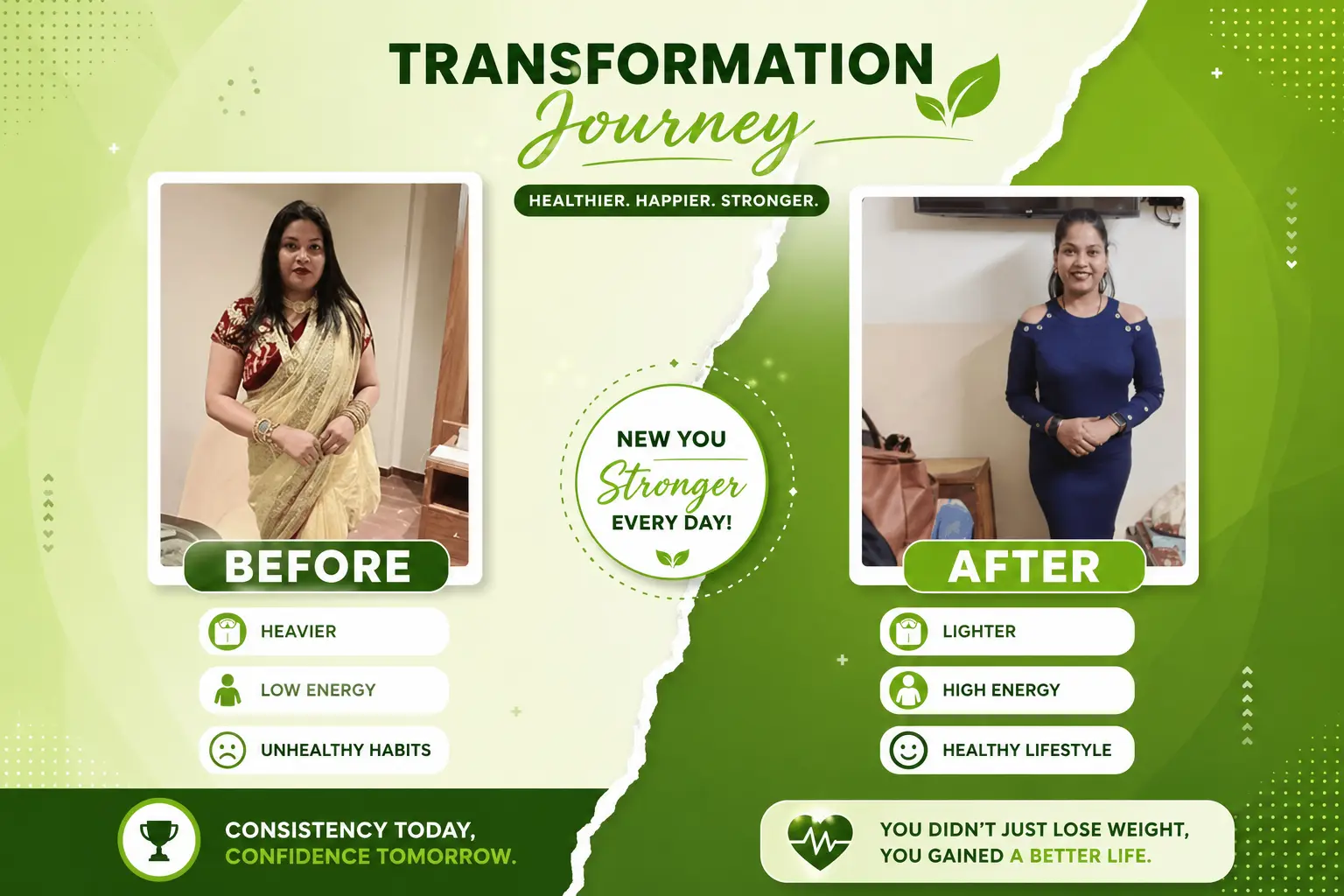
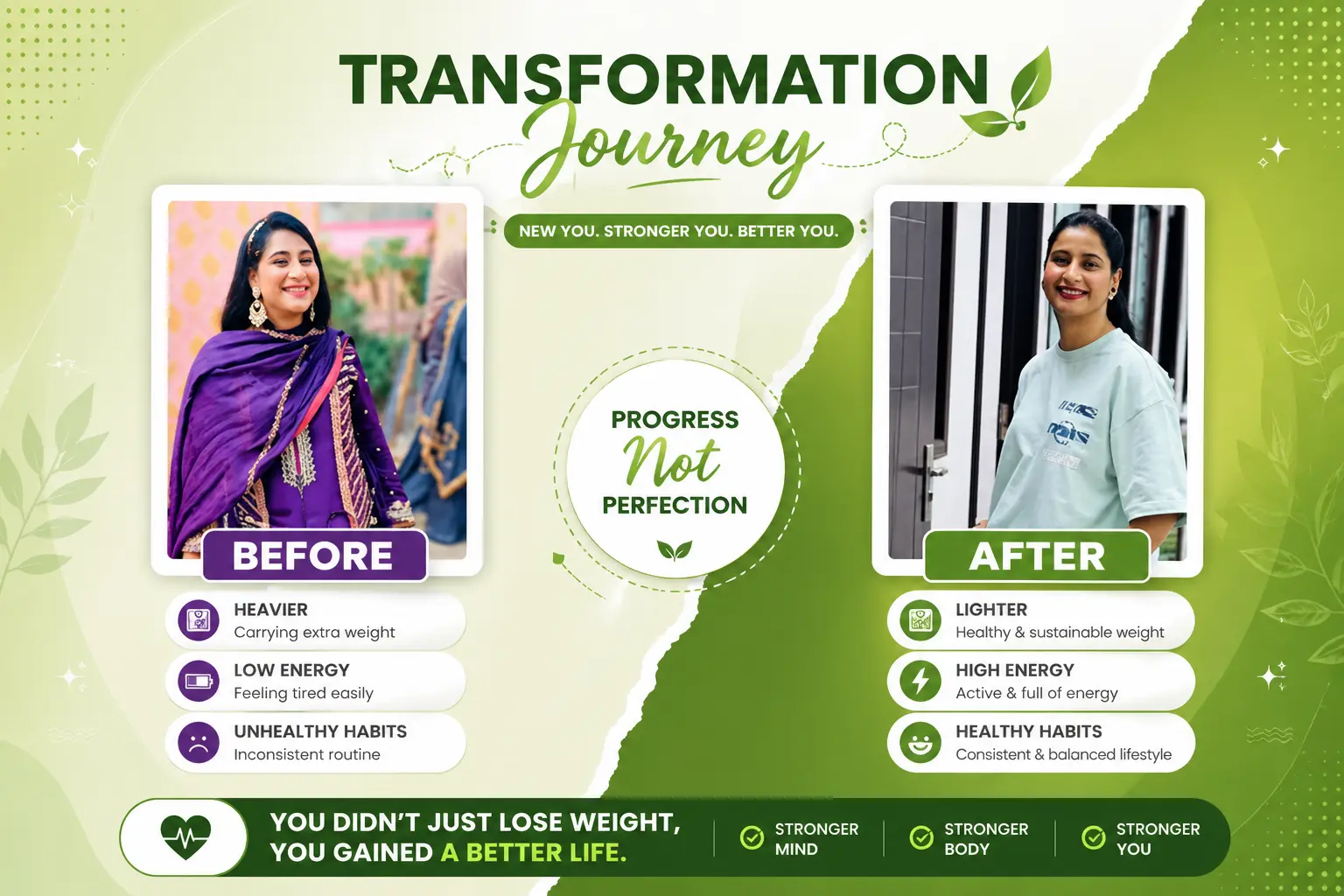
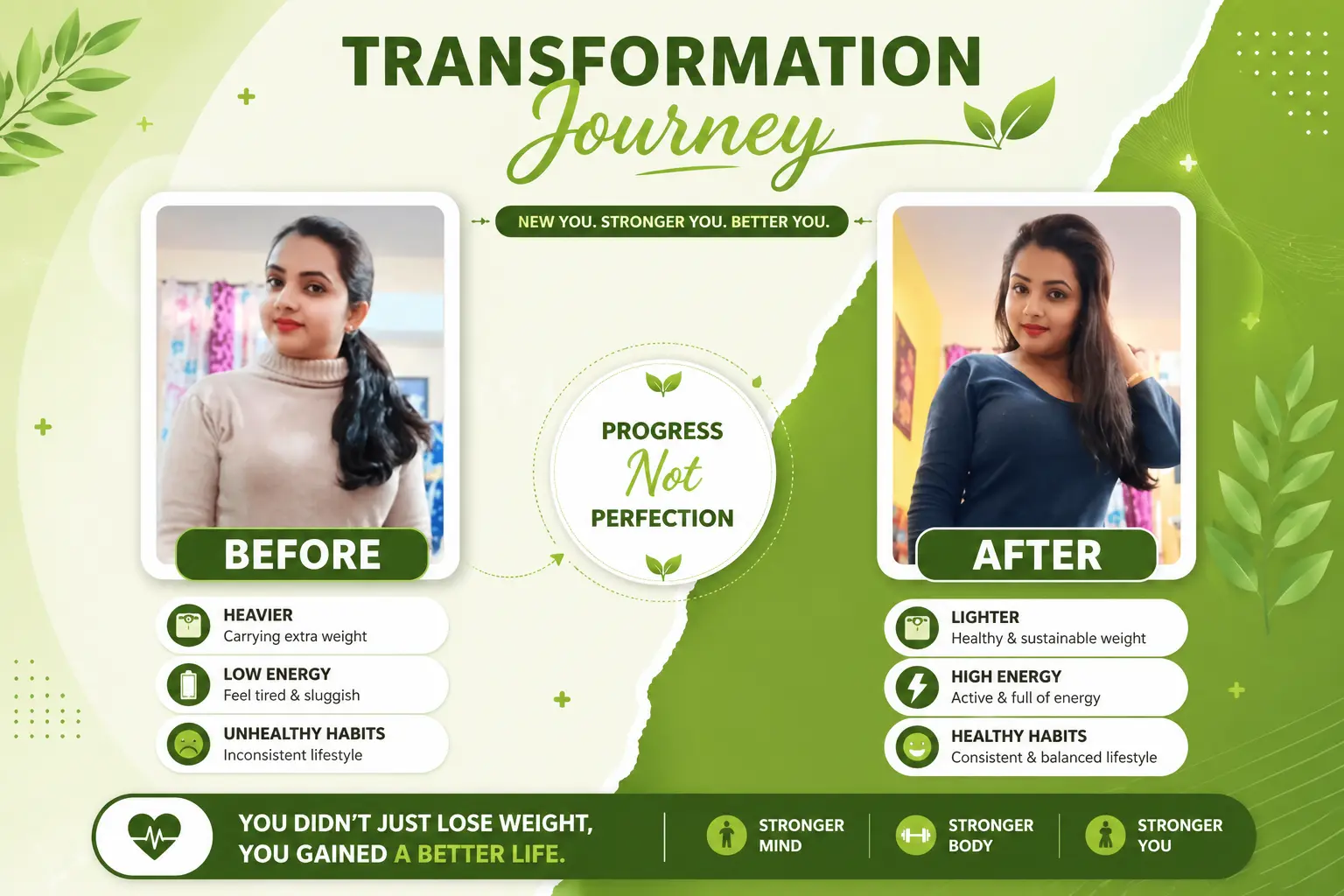
Are you tired of battling PCOS/PCOD on your own? Meet Nt. Hemlata Alawadhi, the dietitian extraordinaire in Delhi who's been transforming lives with her expertise. Real-life accounts straight from the trenches of hormonal havoc will have you believe in the power of a tailored PCOS/PCOD diet plan. Testimonials shining a spotlight on improved health and wellbeing will make you want to jump on the bandwagon of wellness. Case studies showcasing the magic of nutrition and lifestyle changes will give you hope that a brighter, healthier future is within reach.Navigating Challenges and Roadblocks: Strategies for Sustainable Lifestyle Changes
Let's face it, sticking to a PCOS/PCOD diet plan can feel like running a marathon blindfolded. But fear not! Nt. Hemlata Alawadhi is here to help you overcome those pesky obstacles and roadblocks. From navigating cravings to dealing with social pressures, she's got your back. Tips for sustainable behavior modification will make you feel like a lifestyle guru in no time. Say goodbye to short-term fixes and hello to long-term success with strategies that actually work.In closing, Nt. Hemlata Alawadhi's dedication to empowering individuals with PCOS and PCOD to take charge of their health through tailored nutrition plans shines brightly as a beacon of hope and transformation.With her expertise and compassionate guidance, she continues to make a profound impact on the lives of many, helping them thrive and flourish in the face of these hormonal imbalances. As we reflect on the success stories and testimonials shared, it becomes evident that the best PCOS/PCOD diet consultant in Delhi is not just a title, but a testament to the unwavering commitment to holistic well-being and empowerment. Partner with Nt. Hemlata Alawadhi on your journey to wellness, and unlock the potential for a healthier, happier future ahead.

Weight Loss Management
Dietitian Hemlata is a renowned Weight Loss Management Dietitian based in Delhi, with a wealth...
Find Out More
Weight & Muscle Gain Plan
Dietitian Hemlata is a distinguished Weight Gain Dietitian based in Delhi, renowned for her...
Find Out More
Diabetes/Insulin Resistance
Dietitian Hemlata stands as a distinguished figure in the realm of nutrition and dietetics...
Find Out More
PCOS/PCOD Diet
Dietitian Hemlata stands out as a distinguished PCOS/PCOD Dietitian in Delhi, bringing...
Find Out More
Thyroid Diet
Dietitian Hemlata stands out as a top-rated Hypothyroidism Dietitian in Delhi, recognized...
Find Out More
High Cholestrol
Dietitian Hemlata stands out as a distinguished High Cholesterol Dietitian in Delhi, offering...
Find Out More
Gym Diet
Dietitian Hemlata stands as a distinguished Gym Diet Dietitian in Delhi, bringing years...
Find Out More
Fatty Liver Diet
Dietitian Hemlata is a highly esteemed Fatty Liver Dietitian based in Delhi, known for...
Find Out More
Hypertension
Dietitian Hemlata stands out as a distinguished figure in the realm of hypertension diet...
Find Out MoreConsult with Dt. Hemlata Alawadhi and Transform Your Mindset,
Transform Your Life
Frequently Asked Questions (FAQs)
— Testimonial
What Our Clients Say!
I truly appreciate your support, I can see visible changes in my health and confidence. Thank you for creating a diet plan that perfectly suits my lifestyle eats really easy and effective. If you want a healthy lifestyle this is right place 🥰🙂
I had PCOD. I was suffering so much. I went to Dr. Hemlata. She gave me a detailed diet chart. I followed it. There has been a lot of improvement. The doctor is very good and friendly. I am very grateful to her. I recommend visiting her if anyone wants a consultation and diet plan. 😀
I consulted dietitian Hemlata Alwadi regarding weight loss, and I’ve lost 10 kg in just 4 months! I highly recommend joining her weight loss clinic — her guidance and support truly make a difference.
She is an excellent dietician - personalized plans, constant follow up,and visible results. Very knowledgeable, supportive and professional dietician. ''thank you'' for healthy eating ko itna easy banane ke liye.☺️😊
Thank you, Dt. Hemlata Alawadhi, for making healthy eating so simple and enjoyable! I feel amazing lighter, more energetic, and finally confident in my body. Highly recommended.
Your guidance helpd me understand my eating habits and improve them in simple ways. Amezing results+friendly guidance & perfect experience. Thank for the perfect diet plan.🥰🥰🥰🥰
Guiding You has helped me get into the best shape of my life. Hemlata is really considerate and understanding and provided me with a step by step plan to get to a healthier me. I highly recommend her services!
Thank you Nt.Hemlata Alawadhi.....working with you has been a game changer for me. your personalied approach made weight loose journey manageable and sustainable ....i am feeling fantastic. & happy with the results.
Hello Nt.Hemlata Alawadhi i am really happy with youas you are always readily available to sort my queries.its almost 1 & half months and i am able to lose 3kgs weight with a nice inch loss. thank you very much team Guiding You and Nt.Hemlata Alawadhi & happy with the results.
Thank you Hemlata, For making my weight loss journey so positive. The support & nutritional insight have been key to my success. feeling healthier and more empowered. & happy with the results.